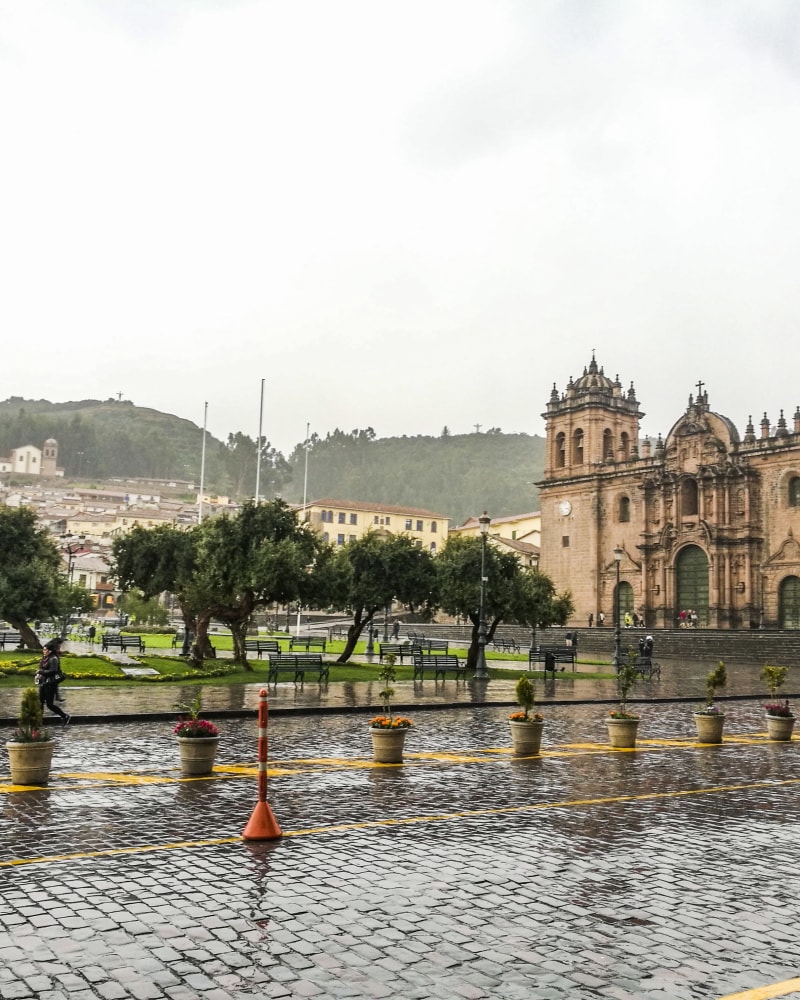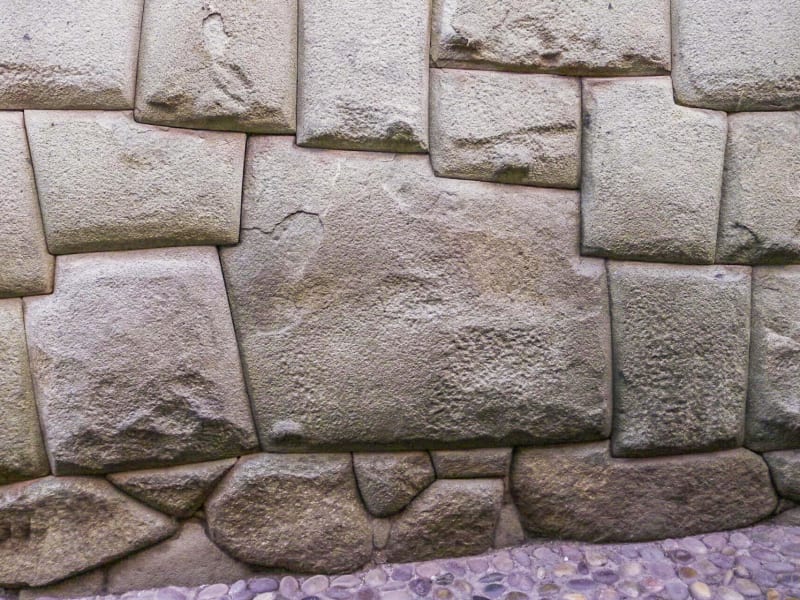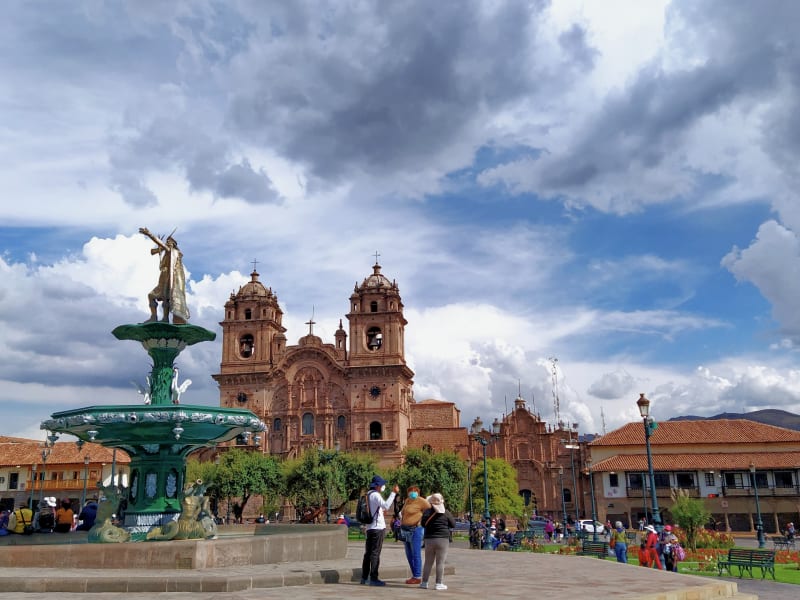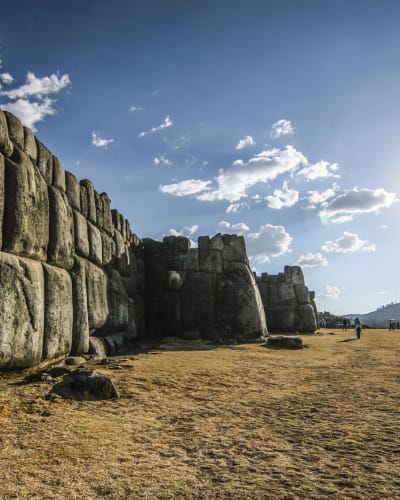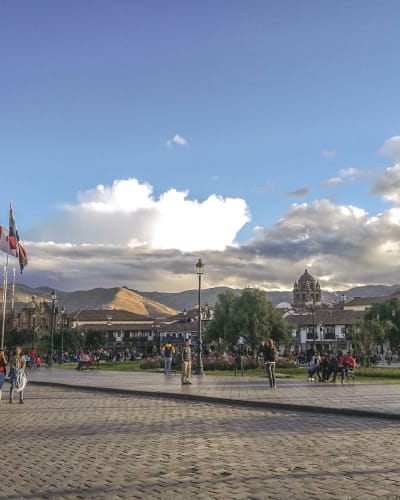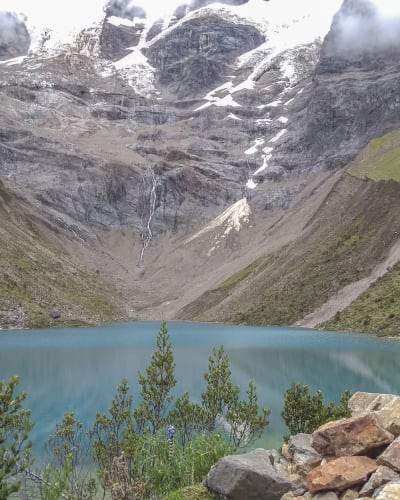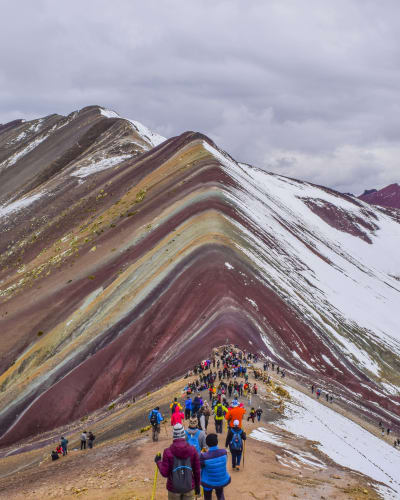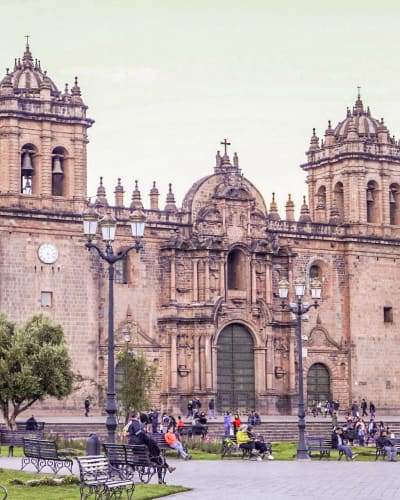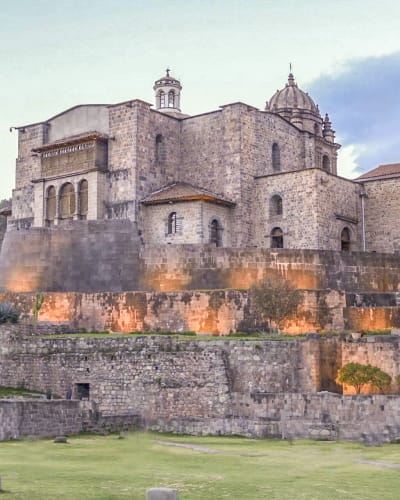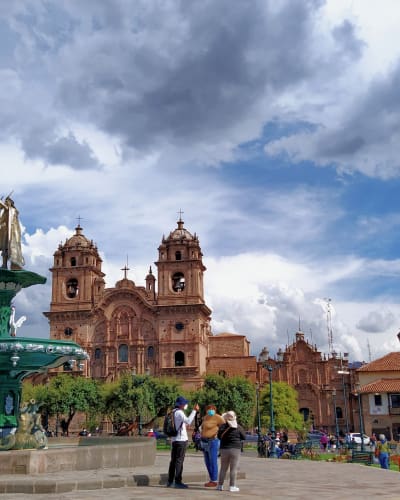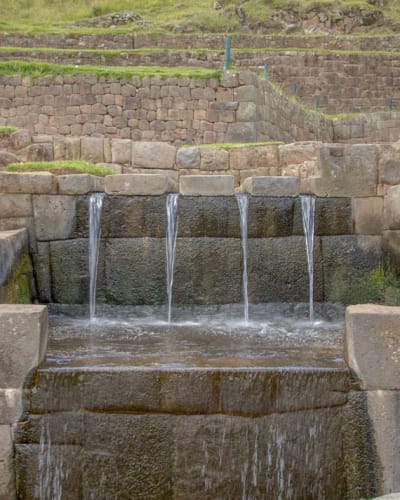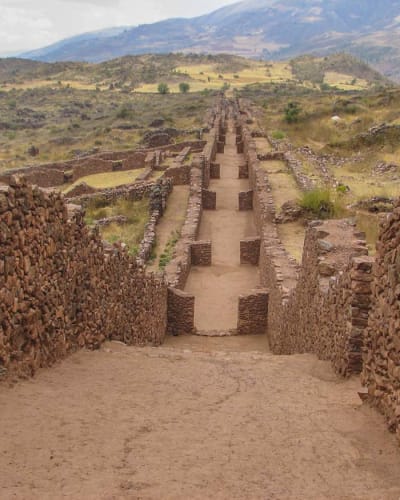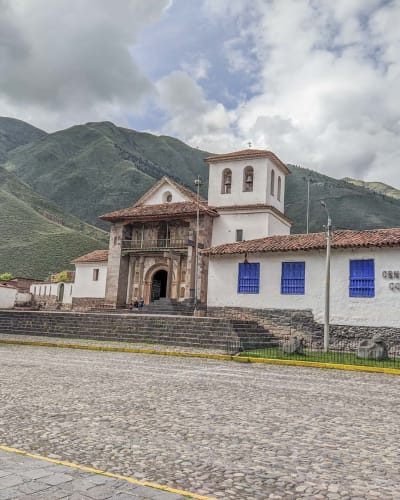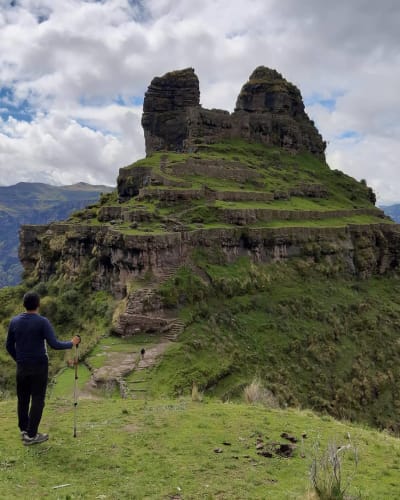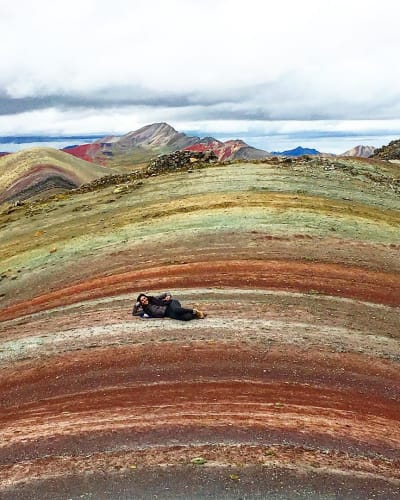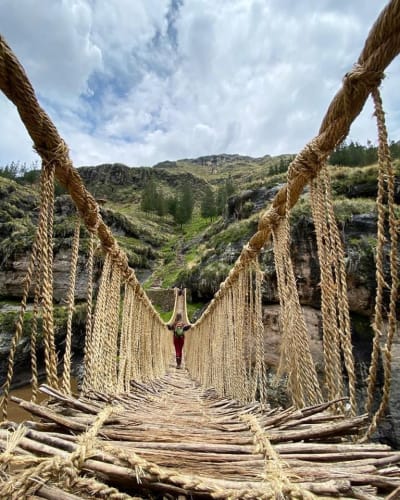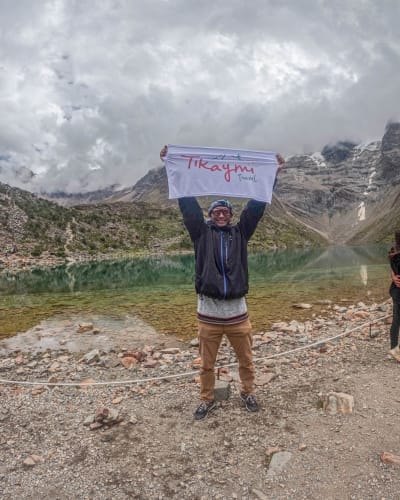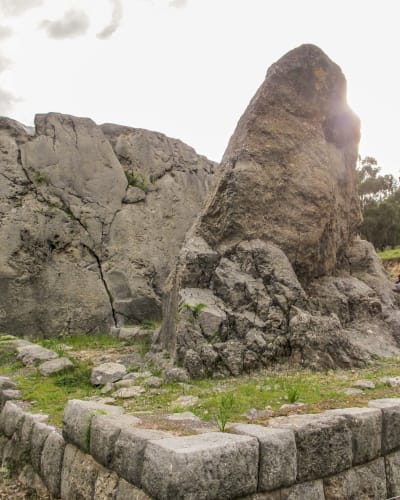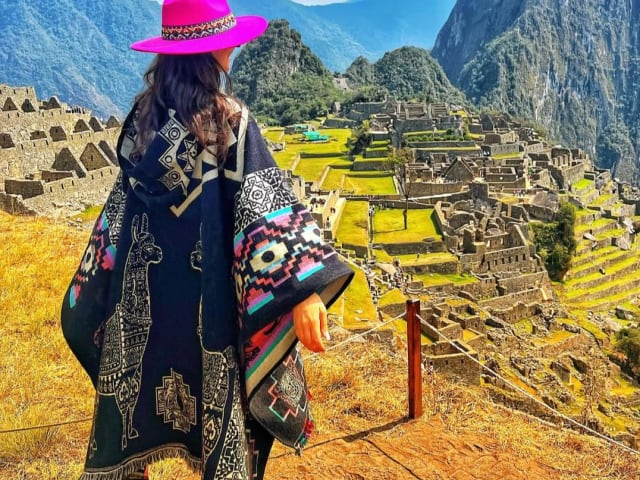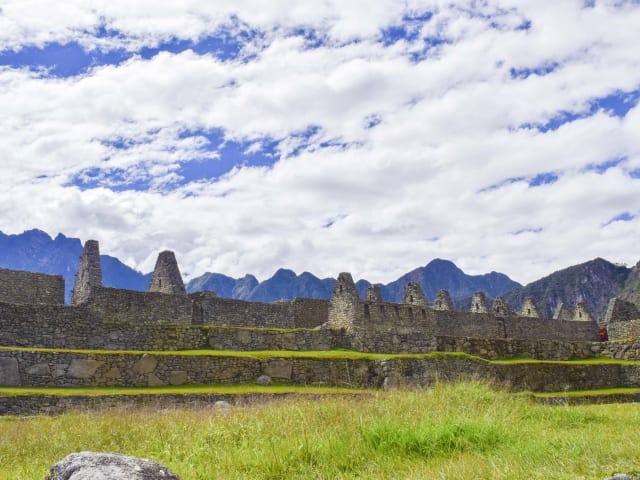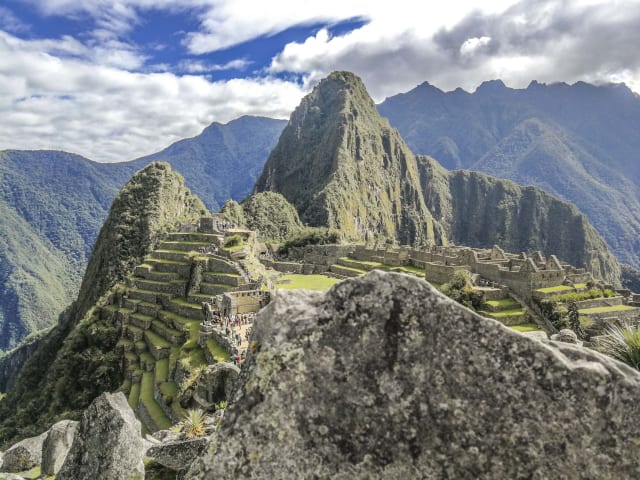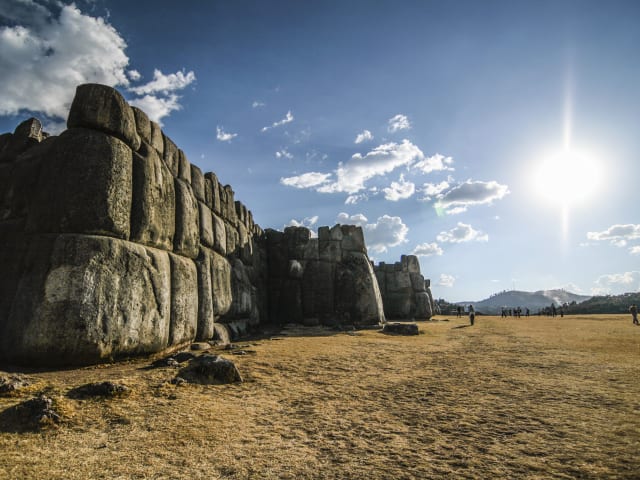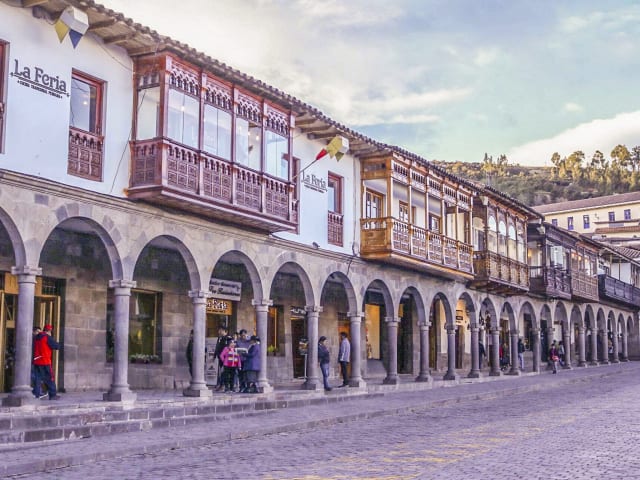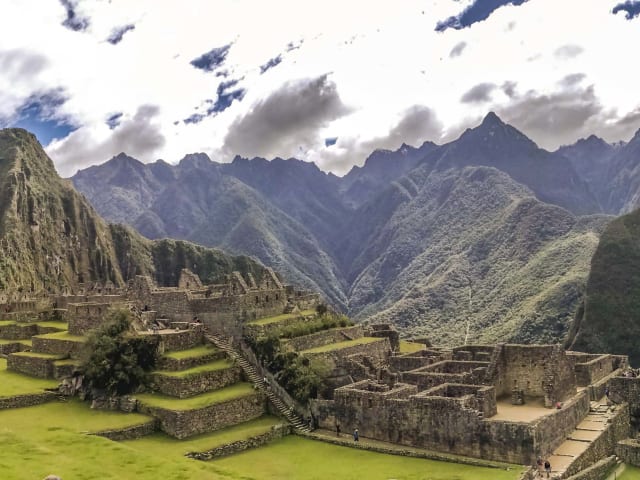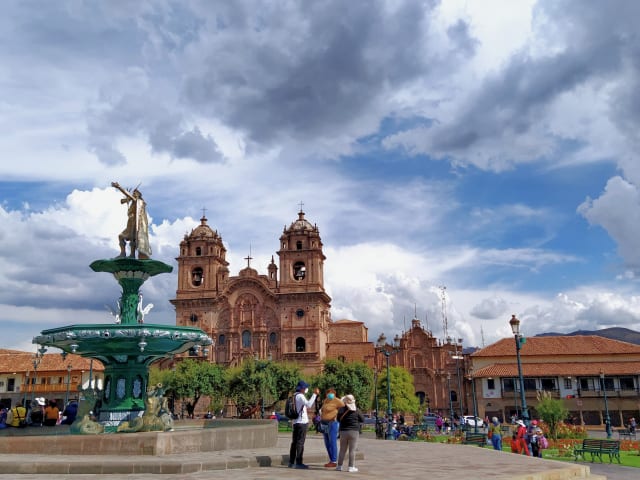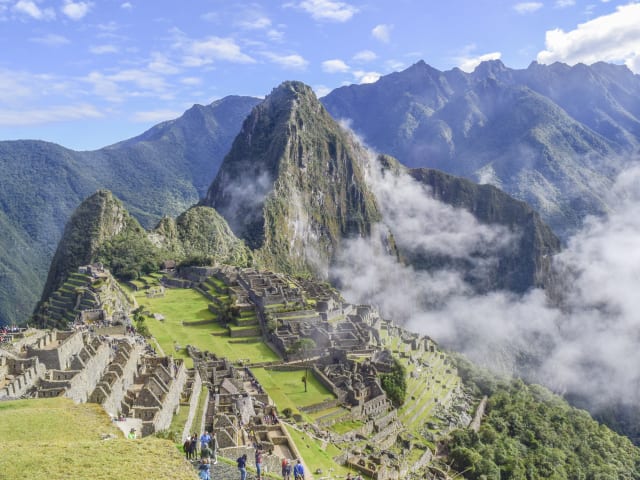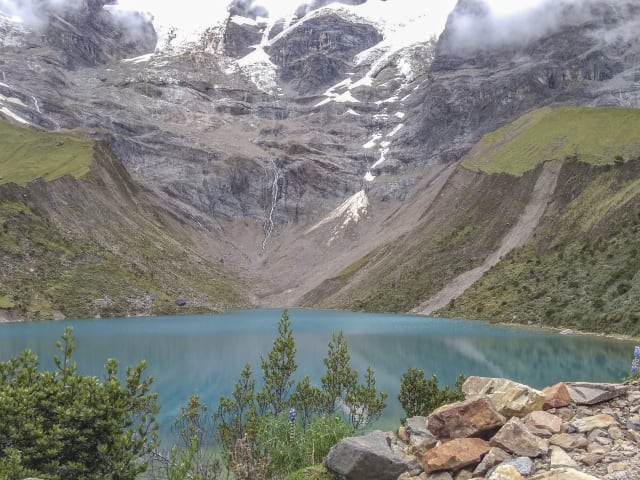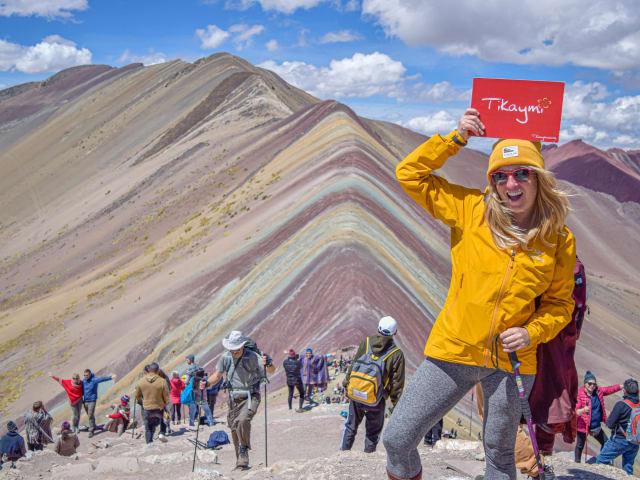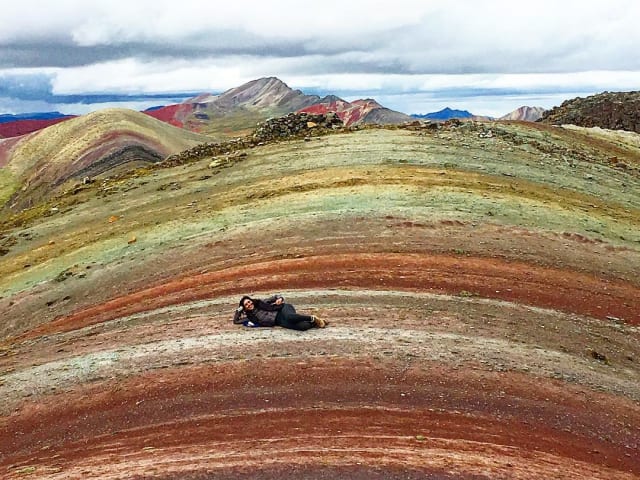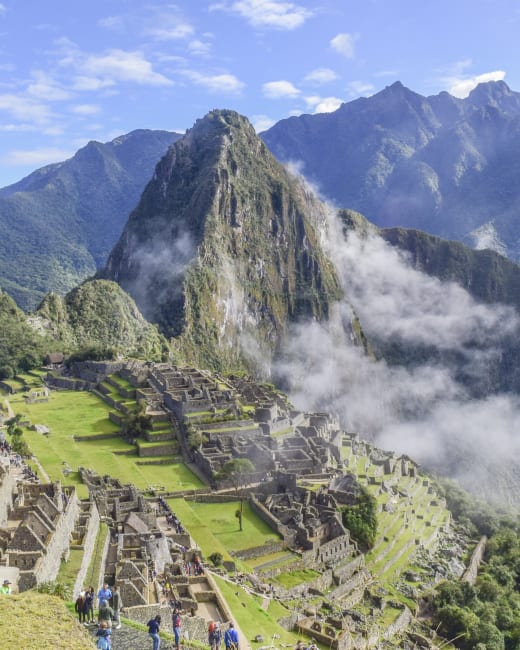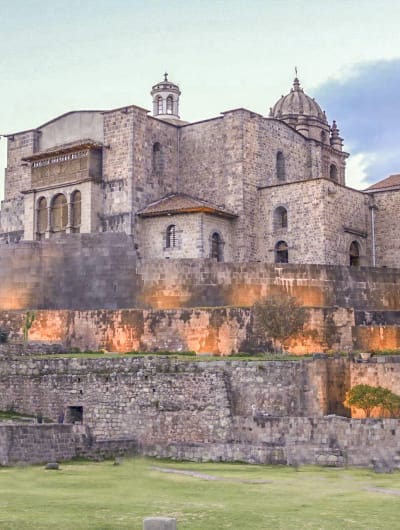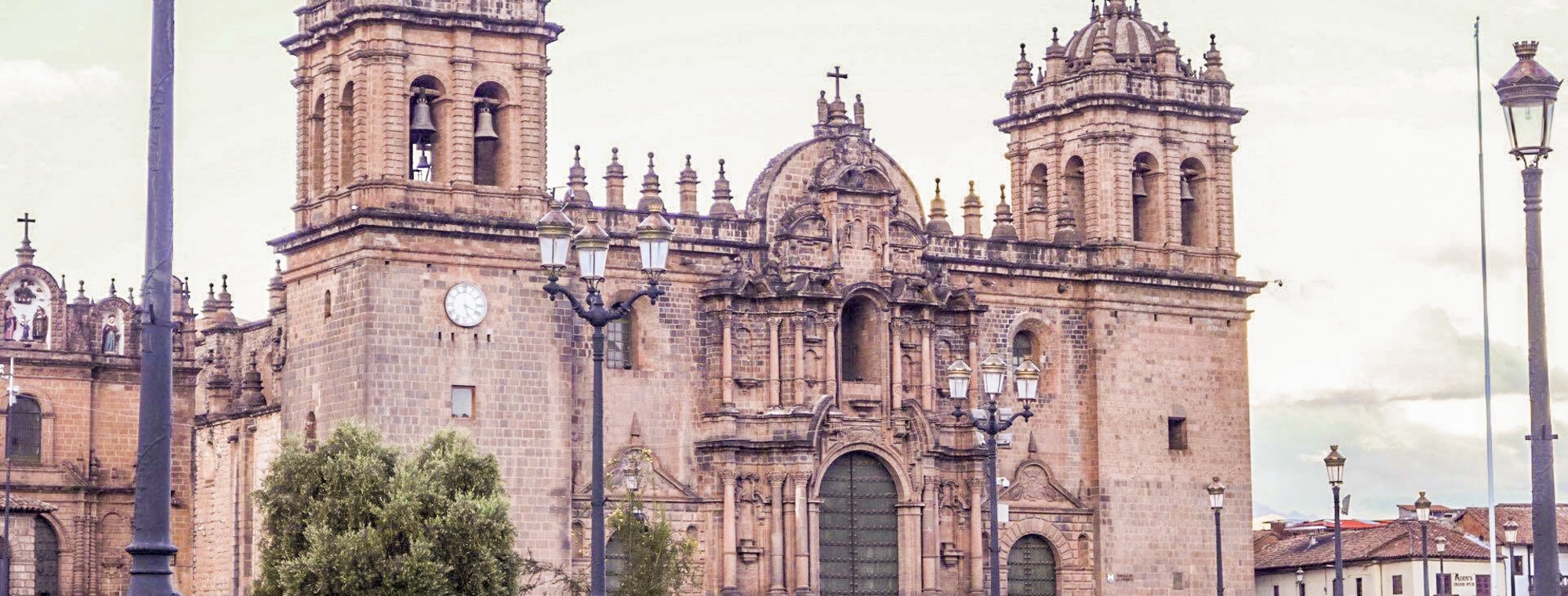
Cusco is the practical base for Machu Picchu, the Sacred Valley, the Inca Trail, Rainbow Mountain, Humantay Lake and short cultural tours. The important part is not only what to visit, but how to order the days so altitude, tickets and transfers do not work against you.
If you only have one afternoon, start with the City Tour. With two or three days, add the Sacred Valley or Machu Picchu. With five days, you can travel at a calmer pace: Cusco, Sacred Valley, Machu Picchu and one high-altitude route if your body adapts well.
Machu Picchu tickets, train schedules and hotel nights should be aligned before adding day trips. This is where Deicy's planning helps: she checks the order of the route instead of selling disconnected tours.
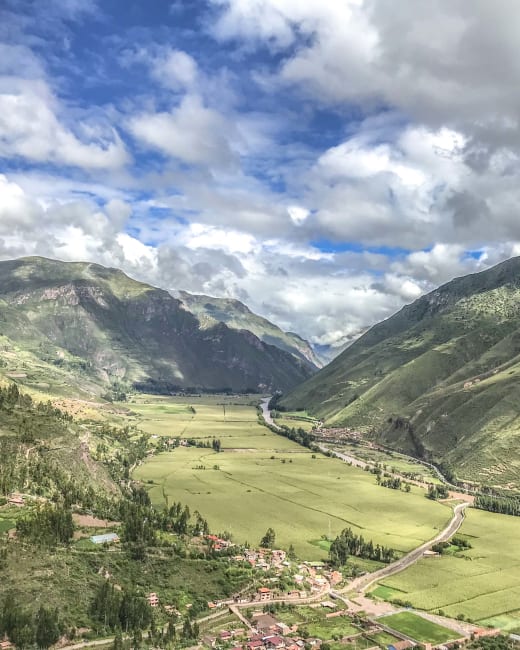
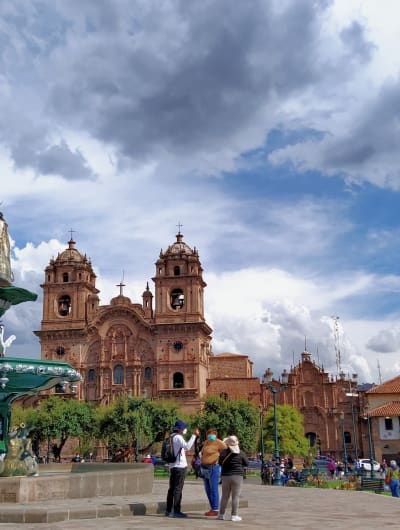
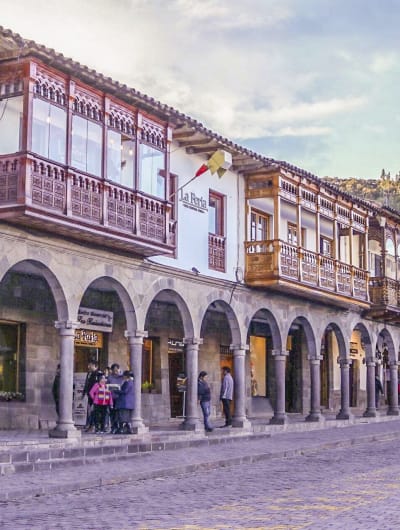
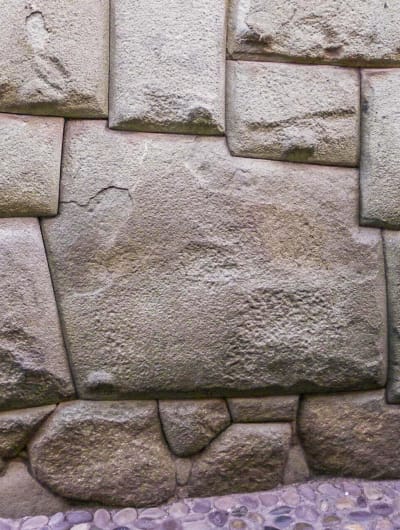
The City Tour gives context without a long day. Sacred Valley is better when you want landscapes, markets and ruins in one route. Rainbow Mountain and Humantay Lake are more demanding and should not be rushed if you just arrived.
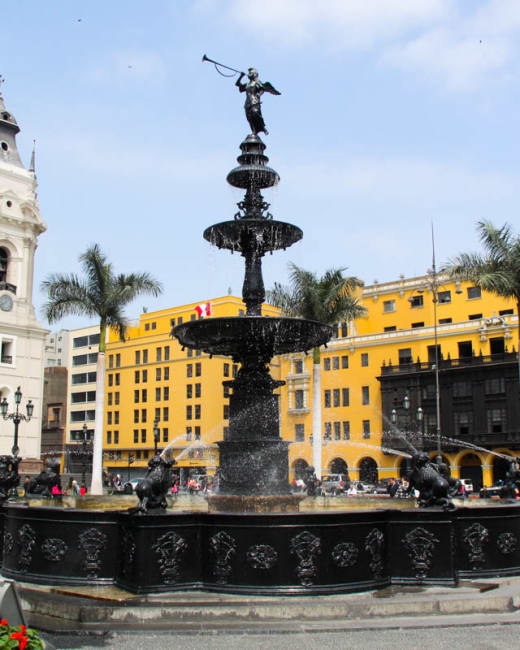
Most international travelers arrive through Lima and connect by domestic flight to Cusco. If your trip includes Machu Picchu, plan arrival, acclimatization and train logistics before buying scattered services.
April to October for drier travel days
Cusco sits around 3,400 m. Keep the first day light, drink water and avoid stacking a demanding hike immediately after arrival. A City Tour or easy Sacred Valley plan often works better than rushing.
Carry some Peruvian soles for entrances, small purchases and tips. Some tickets are paid locally and should be confirmed before each tour.
Cusco is easy to explore in the central areas, but logistics matter: early pick-ups, traffic, train times and ticket rules can affect the whole itinerary.
Connectivity is generally good in the city. Signal can drop on routes, viewpoints and some rural sections, so keep key confirmations available offline.