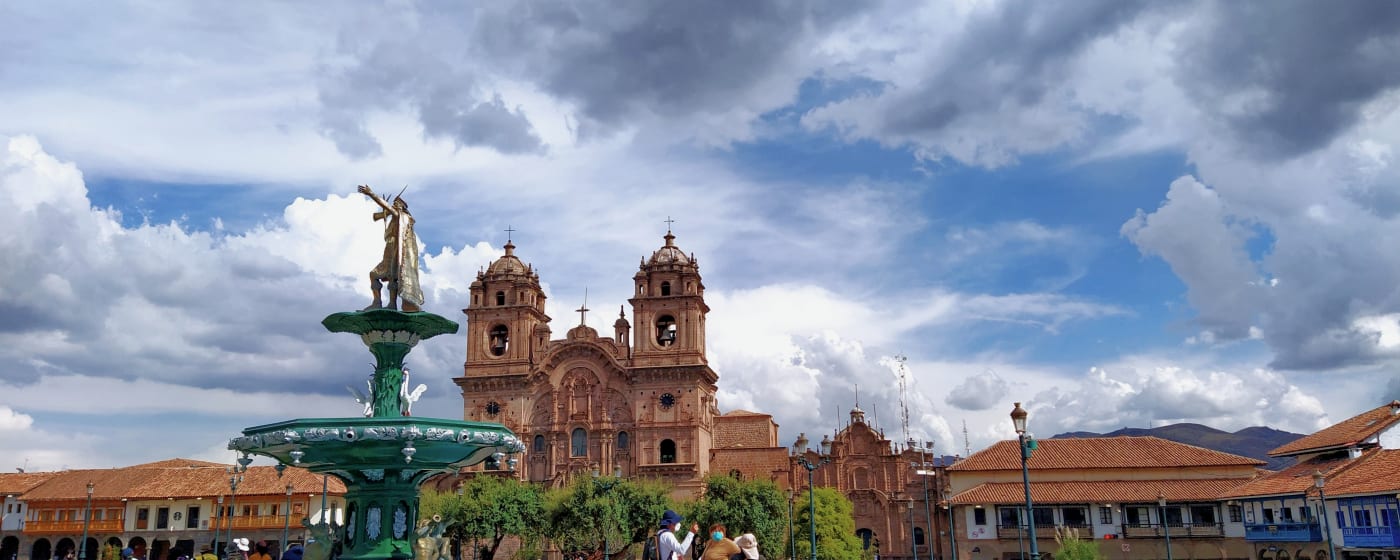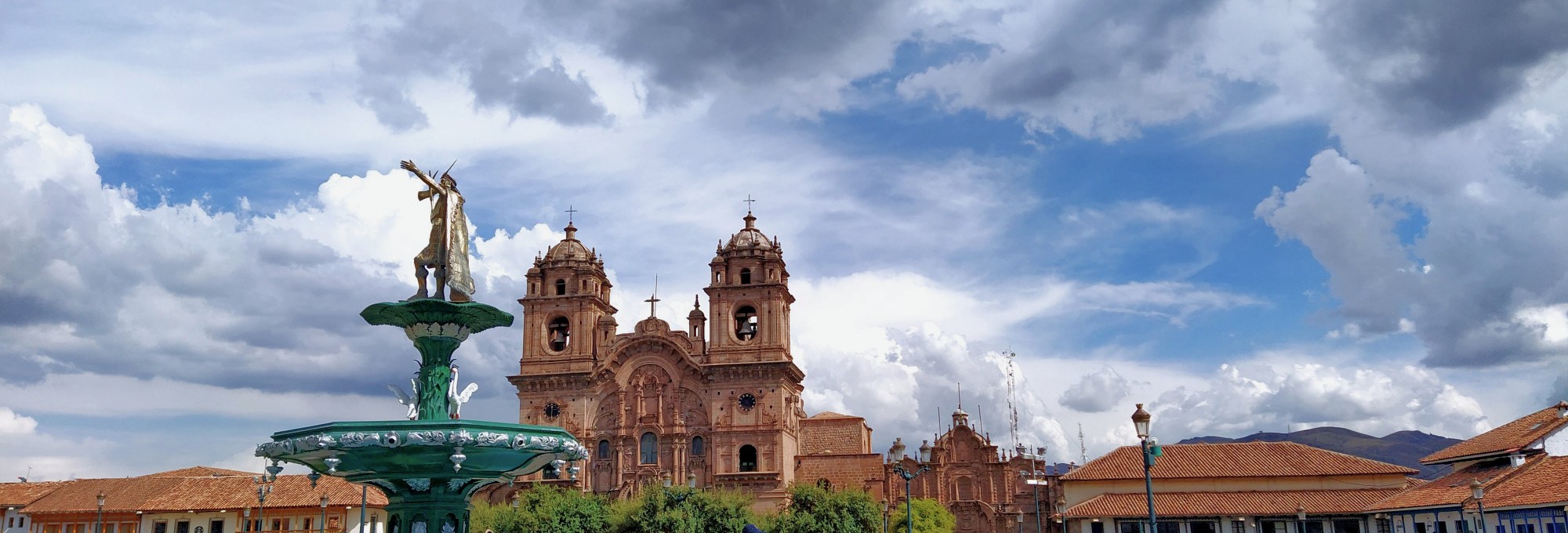
Why Cusco hits harder than you expect
Cusco sits at roughly 3,400 meters (about 11,150 feet) above sea level. If you're arriving from a coastal city — Lima, Miami, Los Angeles, most of Europe — your body has zero time to adjust before you're already there. Mild altitude sickness (soroche, as it's called locally) is common, not a sign that something is wrong with you or your fitness level. It comes from lower oxygen in the air, not from being out of shape.
What it actually feels like
Most travelers notice some combination of a dull headache, tiredness that feels heavier than normal jet lag, shortness of breath on stairs or slopes, mild dizziness, or an unsettled stomach. Symptoms usually show up within the first hours after arrival, sometimes on the first active day rather than immediately. For the large majority of visitors, this is uncomfortable, not dangerous, and eases within a day or two as the body adjusts.
What actually helps: pace, not willpower
The single most effective thing you can do is arrive and do nothing demanding for your first few hours. Skip the temptation to pack your arrival day with a hike or a long walking tour. A slow first afternoon — checking into your hotel, a short walk, an early dinner — gives your body a head start before you ask more of it. This is exactly why Tikaymi itineraries open with a gentle Cusco day (city highlights, a relaxed pace) before anything more demanding like the Sacred Valley or Machu Picchu.
What actually helps: hydration and light food
Drink more water than feels necessary — your body loses fluid faster at altitude, and dehydration makes every symptom worse. Go easy on heavy, hard-to-digest meals and alcohol in your first day or two; a light diet (soups, bread, fruit) sits better while your body is already working to adjust. This isn't a strict rule for the whole trip, just useful for the adjustment window right after you land.
What actually helps: coca leaf and coca tea
Coca tea (mate de coca) is offered almost everywhere in Cusco — hotels, restaurants, even some tour vehicles — and chewing coca leaves or coca candies is a traditional local remedy many travelers find genuinely helpful for mild symptoms. It's legal, widely available, and worth trying in your first day or two. It is not a substitute for pacing yourself or seeing a doctor if symptoms are more than mild.
Medication: talk to your doctor before you travel
Some travelers use over-the-counter altitude remedies available in Cusco pharmacies (such as Sorojchi Pills), and some doctors prescribe altitude medication like acetazolamide before high-altitude trips. This is a conversation to have with your own doctor before you fly, not something to decide on arrival — dosage, timing and whether it's right for you depend on your health history. [CONFIRMAR: we do not provide medical advice; consult a physician for medication guidance].
When to actually see a doctor
Mild symptoms — headache, tiredness, a bit of breathlessness — are normal and usually pass. Tell your guide or Deicy if you're not feeling well; it's a normal part of the trip for us, not an inconvenience. Seek medical attention if symptoms are severe or don't improve with rest: confusion, trouble breathing at rest, chest pain, or being unable to walk in a straight line are signs to get checked immediately, not to push through. Cusco has medical services used to treating altitude-related issues, and your guide can direct you to one quickly.
How Tikaymi builds altitude into your itinerary
This isn't an afterthought for us — it shapes how we sequence every multi-day itinerary. Our Cusco days start light before we move into the Sacred Valley or Machu Picchu, and if you tell Deicy about a health condition, a slower pace, or a specific concern, she adjusts the order of your days accordingly. You don't need to figure this out alone; it's part of what a designed itinerary is for.